 PLAY STORE
 APPSTORE
 1800 270 7000


 Download




















 Attractive returns





















 Life Insurance
 Health Insurance
 Mutual Fund
 Home Finance
 Personal Finance
 Stocks & Securities











What Is
Health Insurance?
- Receive quality medical care
- Customise your plans with riders

Feature and Benefits Of Health Insurance

Cashless Treatment
No need to arrange for large sums of money as your policy takes care of the bill and you don’t have to pay out of your pocket.

No Claim Bonus
Earn a no-claim bonus in the form of extra sum insured for each claim-free year.

Coverage for Pre-existing Conditions
Ensure even with ongoing health issues, you can still access necessary care when needed.

Wellness Programs
Get incentives and rewards for making healthy lifestyle choices such as fitness programs and taking preventive health screenings.


Top Health Insurance Plans by ABCD
Get Comprehensive Cover
Choose from indemnity-oriented health plans for covering your medical bills.
Protect Your Health and Wealth
Stay fit and benefit from a comprehensive cover with our health and wellness plans
Boost Your Cover
Supplemental health insurance plans which allow high coverage at lower premiums.
 Activ Health Platinum Essential
UIN: ADIHLIP24102V052324
 KEY FEATURES
- Receive cashless treatment at home
- Get coverage for 586 day care procedures
- Earn up to 50% of premium back as HealthReturns™

Premium starts at
₹5,579* /year
Activ Health Platinum EnhancedUIN: ADIHLIP24102V052324
KEY FEATURES - Expert health coaches available
- Earn up to 100%* premium back as HealthReturnsᵀᴹ
- Double the sum insured with NCB

Premium starts at
₹8,215*/ year
Activ One MAXUIN: ADIHLIP24097V012324
KEY FEATURES - Sum insured up to ₹6 crores
- Modern treatments and procedures are covered
- Coverage for non-payable items with Claim Protect

Premium starts at
₹4,713* /year
Activ One NXTUIN: ADIHLIP24097V012324
KEY FEATURES - Earn up to 100% premium as HealthReturnsTM
- Range of optional coverage benefits
- Coverage for mental illnesses
Premium starts at
₹5,630* /year
Activ Fit PlusUIN: ADIHLIP22008V012223
KEY FEATURES - Get up to 100% of the sum insured refilled
- Get covered for mental healthcare
- Double the sum insured with NCB
Premium starts at
₹6863*/per annum
Super Top-upUIN: ADIHLIP21061V022021
KEY FEATURES - Waive off the deductible without health re-evaluation
- Choose between any room category
- Get covered for home treatments
Premium starts at
₹1921/per annum
Health and Wellness Plans
Holistic health insurance plans that not only cover your medical expenses but also encourage you to stay healthy by rewarding good habits.
Super Top Up Plans
Reliable and convenient health insurance plans that provide additional coverage on top of your existing health plan while being affordable
Activ One MAXUIN: ADIHLIP24097V012324
KEY FEATURES - Sum insured up to ₹6 crores
- Modern treatments and procedures are covered
- Coverage for non-payable items with Claim Protect
Premium starts at
₹4,713* /year
Activ One NXTUIN: ADIHLIP24097V012324
KEY FEATURES - Earn up to 100% premium as HealthReturnsTM
- Range of optional coverage benefits
- Coverage for mental illnesses
Premium starts at
₹5,630* /year
Activ Fit PlusUIN: ADIHLIP22008V012223
KEY FEATURES - Get up to 100% of the sum insured refilled
- Get covered for mental healthcare
- Double the sum insured with NCB
Premium starts at
₹6863*/per annum
Activ Health Platinum EnhancedUIN: ADIHLIP24102V052324
KEY FEATURES - Expert health coaches available
- Earn up to 100%* premium back as HealthReturnsTM
- Double the sum insured with cumulative bonus
Premium starts at
₹8,215*/ year
Activ Health Platinum EssentialUIN: ADIHLIP24102V052324
KEY FEATURES - Receive cashless treatment at home
- Get coverage for 586 day care procedures
- Get chronic illness cover from day 1
Premium starts at
₹5,579* /year
Super Top-up Plus Plan BUIN: ADIHLIP21061V022021
KEY FEATURES - Waive off the deductible without health re-evaluation
- Choose between any room category
- Get covered for home treatments
Premium starts at
₹10,768* /annum
Factors Affecting Health Insurance Premiums
Age

Gender
City of Residence
Medical History
Lifestyle & Habits
Policy Type & Coverage
Family Size
What Does
Health Insurance Cover?
Inpatient Hospitalisation
This is the core part of your cover. It usually takes care of room rent, ICU charges, doctor and surgeon fees, nursing charges, medicines, diagnostic tests, oxygen, and other treatment costs when you’re admitted for more than 24 hours.
Day Care Treatments
Many advanced procedures don’t require long hospital stays anymore. Day care cover helps with treatments like chemotherapy, dialysis, cataract surgery, or radiotherapy that are completed in less than 24 hours but can still be expensive.
Pre & Post-Hospitalisation Expenses
Treatment doesn’t begin and end at the hospital door. Policies often cover consultations, tests, and medicines before you’re admitted and after you’re discharged, within a defined number of days, as long as they’re related to the same medical issue.
Ambulance Services
In an emergency, getting to the hospital quickly is critical. Many plans include ambulance charges so you don’t hesitate to call for proper medical transport when every minute counts.
Additional Benefits (Plan-Specific)
Depending on the plan, you may also get preventive health check-ups, maternity cover after a waiting period, OPD benefits, AYUSH treatment coverage, organ donor expense cover, or an added critical illness benefit. These extras help you align the plan with your stage of life and health goals.
Real-Life Example:
How Health Insurance Helps in an Emergency?
-
A 35-year-old working professional in Mumbai requires emergency surgery for acute appendicitis, with total medical expenses reaching ₹3.5 lakh.
-
Without health insurance, the cost would have to be paid from savings, investments, or loans, impacting long-term financial plans.
-
With a health insurance policy from Aditya Birla Capital, treatment at a network hospital is cashless, with most expenses settled directly by the insurer.
-
Eligible pre- and post-hospitalisation costs can be claimed later, reducing out-of-pocket burden.
-
The family can focus on treatment and recovery instead of arranging funds in an emergency.

Latest Health Insurance Updates in India

 IRDAI Relaxes Entry Age and Access Rules
Insurers can now remove maximum entry age limits, making it easier for senior citizens to buy new health insurance policies.

 Shorter Waiting Periods and Stronger Protection
Guidelines encourage reduced waiting periods and moratorium timelines, offering greater claim certainty for long-term policyholders.

 AYUSH Coverage at Par with Allopathy
Health insurance policies are being pushed to provide meaningful coverage for AYUSH treatments, not just limited or symbolic benefits.

“Cashless Everywhere” Gaining Ground
The cashless framework allows treatment even at non-network hospitals in emergencies, subject to conditions and prior intimation.
Faster, More Transparent Claims
Stricter timelines and clearer communication are improving claim approvals, rejections, and grievance handling, making the process smoother for customers.
Compare Our Health Insurance Plans
| PLAN TYPEs | Health and Wellness Plans | Top-up Plans |
|---|---|---|
Best Suited For

|
Individuals seeking both medical cost coverage and rewards for maintaining a healthy lifestyle | Individuals with existing policies who want additional coverage |
| Entry Age
|
Depends on the plan selected | Depends on the plan selected |
| Ambulance Coverage
|
Included in some plans | Included |
| Health Returnsᵀᴹ
|
Included | Included |
| Cashless Hospitals
|
Included | Included |
| Room Type
|
Any room category at the time of hospitalisation; varies from plan to plan | Restriction in some plans |
| Wellness Coach
|
Included | --- |
| Tax Benefits
|
Yes | Yes |
| Day Care Treatments
|
Included | Included |
| KNOW MORE | KNOW MORE |
Eligibilityfor Health Insurance
Eligibility Criteria
-
Entry Age
Children : 91 days in a floater plan and 5 years in an individual plan.
Adults - 18 years to 99 years depending on the plan selected - Citizenship Indian citizen residing in India at the time of purchase.
- Medical tests Depends on the conditions of the plan selected
- Disclosures Must disclose pre-existing conditions and smoking habit.
- Family Must be spouse, children, parents, and sibling to be covered under a family floater plan.
Document Needed
- Proposal form
- Age proof
- Identity proof
- Passport size photograph
- Address proof
- Medical reports
- PAN/ Aadhar card
Get Insured In 5 Easy Steps
Evaluate your requirements - coverage, lifestyle, etc.
Explore different plans to find the right one for you
Ideally, choose a plan with lifetime renewability
Ensure the provider has network hospitals in your area
Assess available riders for added coverage

Customer Satisfaction Stories


Aditya Birla Health Insurance


Aditya Birla Health Insurance has been my companion in my weight loss journey of losing 17 Kgs and helping me stay disease-free. Health Returnsᵀᴹ keeps my whole family motivated to be active and stay fit and each person can do the exercise of their choice

Aditya Birla Health Insurance Customer
 Delhi, India


Aditya Birla Health Insurance Customer
Staying healthy has become a way of life. I really enjoy using the Activ Health app that gives all my health solutions at one place.
Aditya Birla Health Insurance Customer
Noida, India


Aditya Birla Health Insurance
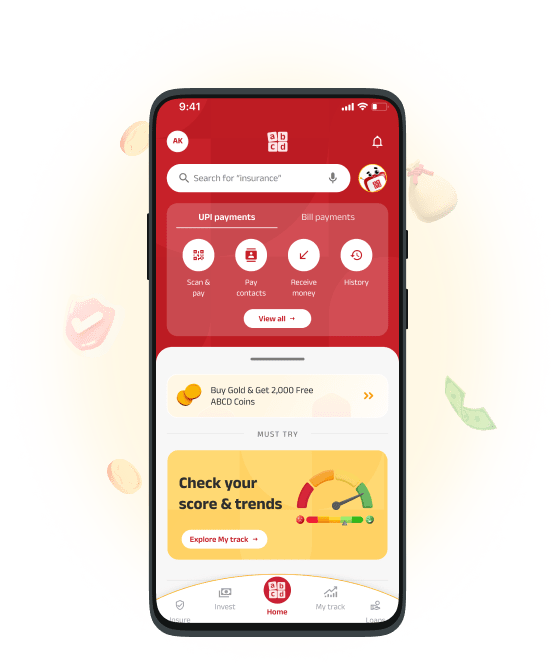
ABCD - One app for
With a few clicks on the ABCD app, you can get financial protection against medical emergencies with a health insurance plan.
-
 Comprehensive coverage against illnesses and injuries
 -
Digital purchase process
-
Low and affordable premiums with one-click payments
 PLAY STORE
 APP STORE
.webp?extension=webp)
.webp?extension=webp)


Scan the QR code to download our Mobile App

Understanding Health Insurance
What are the benefits of Health Insurance ?
-
Peace of mind
You can rest easy knowing you will be covered in case of a medical emergency or accident.
-
Access to quality medical care
You can avail of quality medical care, even if you are unable to afford it otherwise.
-
Protection from rising healthcare costs
You can get cashless treatment at network hospitals with practically no expenses at all.
-
Preventive care
It encourages and helps you stay healthy with free annual check-ups and rewards for good health.
-
Tax benefits
You can save tax on the premiums paid as specified in Section 80D of India's Income Tax Act1.

How does Health Insurance work ?
- Plan selection: You select a plan considering your current health, lifestyle, and family’s medical history.
- Premium: You pay premiums on time to avoid the policy from lapsing, leaving you without cover.
- Hospitalisation: When the need for hospitalisation arises, you inform the insurer as soon as possible.
- Claim: You raise a claim along with all the documents such as the claims form, your reports, medical bills, etc.
- Settlement (cashless): In this case, you don’t have to pay anything and the insurer settles the bill with the hospital.
- Settlement (reimbursement): You pay the bill first in full and then get reimbursed by the insurer.
What is the right age to buy Health Insurance?
20 to 30 years
This is the ideal age to buy it because you are most likely healthy and thus your premiums are lower. Most plans also don’t require you to take a medical test.
30 to 40 years
You may have a family now and any medical costs can impact your finances significantly. It’s a good idea to invest in a plan that covers you as well as your family.
40 to 60 years
Consider a policy with a higher sum insured as you may start to develop certain health conditions now. Also, look for a plan with a refill benefit that will ensure you have enough coverage.
60 years and above
Consider a senior citizen health insurance policy with a critical illness rider. These policies typically have higher premiums, but they also offer more comprehensive coverage.
What is not covered in a Health Insurance plan?
All health insurance plans have a defined list of exclusions which are essentially conditions or treatments that are not covered under the policy. Here are some of the most common exclusions^
Dental surgery/treatment (unless requiring hospitalisation)
Only dental surgery or treatment that requires hospitalisation is covered under health insurance
Congenital diseases
These are health problems that are present at birth
Venereal disease
These sexually transmitted diseases which are not covered
General debility
This is a general weakness or ill health and is not covered under health insurance.
Self-inflicted injuries
Any injury that is intentionally caused by the insured person is not covered under health insurance
Infertility treatment
The cost of infertility treatment, such as in vitro fertilisation, is not covered under health insurance.
Cosmetic surgeries
The cost of cosmetic surgeries, such as rhinoplasty and liposuction etc.
Pre-existing illnesses
Health insurance plans typically have a waiting period of 12 to 48 months before they cover illnesses that were already present at the time of purchasing the policy.
What are the types of Health Insurance plans ?
Health & Wellness Plans
This is the most common type of plan that provides coverage for a wide range of preventive and wellness services.
Cancer Secure Plans
It provides financial assistance if diagnosed with cancer. They typically cover the cost of treatment and even the loss of income in some cases.
Critical Illness Plans
These are more specialised plans that provide coverage against more than 60 listed critical illnesses.
Personal Accident Plan
This plan provides coverage for accidental death, accidental permanent disability, and accidental hospitalisation.
Corporate Plans
These plans are designed for businesses that want to offer group health coverage to their employees.
International Cover
This plan provides coverage for medical expenses incurred while travelling abroad. It also covers the cost of emergency evacuation and repatriation.
Under what conditions is my policy premium likely to increase at renewal?
- Medical inflation: As medical costs rise, so too does the cost of health insurance premiums. This includes the cost of drugs, medical devices, hospital care, etc.
- Your age: As you get older, your risk of developing health problems increases as well. Getting a multi-year policy can lock in your premium for the duration.
- Previous claims: If you raised a lot of claims in the previous year, your health insurance company may increase your premium for the next year.
- Alteration in coverage benefits: If you make any changes to your coverage benefits, such as increasing the sum insured or adding new riders, your premium may increase.
- Diagnosis of a disease: If you are diagnosed with a disease, your health insurance company may increase your premium next year to reflect the increased risk.
- Policy lapse: If your policy lapses, you may have to pay a higher premium when you renew it as you have not had continuous health insurance coverage.
Some important Health Insurance terms you should know ?
-
Initial waiting period
The time you have to wait before your health insurance coverage starts. Usually 30 days from the start date of the policy.
-
Cashless claim
A type of health insurance claim where the insurance company reimburses the network hospital directly, so you don't have to pay out of pocket.
-
Co-pay
It is the share of the amount to be paid by you, in case of a claim.
-
No claim bonus
It's a bonus offered in the form of increased sum insured if no claims were made during the previous policy term.
-
Pre-existing condition
A health condition that you had before you got health insurance.
-
Pre-hospitalisation expenses
This refers to the medical expenses incurred before getting admitted to a hospital.
-
Post-hospitalisation expenses
This refers to the cost of follow-up tests and consultation treatment charges incurred after getting discharged from the hospital.
-
Network hospital
It is a medical facility that has a tie-up with the health insurance provider where you can receive cashless treatment.
Top reasons to buy Health Insurance
-
Beat Medical Inflation
Medical costs are rising rapidly, and it can be difficult to keep up with the expense of medical care without health insurance. Health insurance can help protect your finances from the burden of medical inflation.
-
Afford Quality Medical Treatment
Health insurance can help you afford quality medical treatment, regardless of your income level. Without health insurance, you may be forced to delay or forgo necessary medical care, which could lead to serious health problems.
-
Fight Lifestyle Diseases
Lifestyle diseases, such as heart disease, stroke, and diabetes, are on the rise. These diseases can be expensive to treat, and health insurance can help you manage the costs.
-
Protect Your Savings
A major medical expense can wipe out your savings, leaving you in financial hardship. Health insurance can help protect your savings by paying for covered medical expenses.
-
Avail Cashless Hospitalisation Facility
Many health insurance plans offer cashless hospitalisation, which means you don't have to pay upfront for your hospital stay. This can be a huge relief, especially if you're not prepared for a large medical expense.
-
Get Tax Benefits
The premiums you pay for health insurance are tax-deductible, which can reduce your taxable income and save you money on taxes.
-
Ensure Peace of Mind
Health insurance can provide you with peace of mind, knowing that you are protected from the financial burden of unexpected medical expenses.
What’s the difference between Mediclaim and Health Insurance ?
- Cover: Mediclaim: Primarily covers hospitalisation expenses due to illness or accidents.
- Add-on covers: Mediclaim: Limited add-on covers for critical illnesses or specific diseases.
- Sum insured: Mediclaim: Generally lower sum insured options.
Health Insurance: Offers comprehensive coverage for hospitalisation, pre- and post-hospitalisation expenses, day-care procedures, ambulance charges, and a wider range of medical expenses.
Health Insurance: Offers various add-on covers for critical illnesses, maternity care, dental care, and other specialised treatments.
Health Insurance: Provides higher sum insured options to cover a broader range of medical expenses.

Life Insurance Term Plan
-
Affordable premiums, high coverage
-
Easy digital buying process

Health Track
-
Digital health evaluation
-
Tips for healthy living

ABC Of NPS
**Tax benefits are subject to changes in tax laws. Please consult your financial advisor for details.
^The list of exclusions may vary. For the applicable exclusions, please refer to the policy wording of your selected plan.
**Benefits may vary as per the plan selected
UIN: ADIHLIP24102V052324 - Activ Health Platinum Essential is a Health Insurance Plan
UIN: ADIHLIP24102V052324 - Activ Health Platinum Enhanced is a Health Insurance Plan
UIN: ADIHLIP22008V012223 - Activ Fit Plus is a Health Insurance Plan
UIN: ADIHLIP22008V012223 - Activ Fit Preferred is a Health Insurance Plan
UIN: ADIHLIP23130V042223 - Activ Assure Diamond is a Health Insurance Plan
UIN: ADIHLIP21061V022021 - Activ Assure Diamond + Super Health Top-up is a Health Insurance Plan
UIN: ADIHLIP21062V022021 - Activ Care Classic is a Health Insurance Plan
UIN: ADIHLIP21061V022021 - Super Top-up Plus Plan A is a Super Top Up Health Insurance Plan
UIN: ADIHLIP21061V022021 - Super Top-up Plus Plan B is a Super Top Up Health Insurance Plan